
Why does a country famous for its icy winters top the global charts for happiness year after year? Whether you are attracted by those prominent free scholarships or the profitable careers they secure with advanced technology or liberal stay-back and working permissions after graduation – here’s what the most sought-after European dream destination can offer you!
Nothing can beat the blend of world-class education, safety, and stability for years after completion; only Finnish students truly know where it is at, and if you are all these questions linger in your head, then you are certainly in the right place. If you are a Bangladeshi student planning your higher education abroad, Finland offers an unbeatable mix of academic excellence, safety, and long-term career growth. Continue reading this comprehensive guide to learn more about Finland’s leading institutions, its cost structure, and living standards for the year 2027.
Why Study in Finland?
Deciding where to study abroad is apparently such an important and big decision that some people are undertaking as part of their lives right now, and though rankings and charts may have some use, Finland provides international students with an experience far richer than other places. On the other hand, it has an excellent reputation all around the world; the most commonly mentioned aspects include: a well-functioning society, very high living standards and a safe environment. For international students, Finland has become a very attractive destination to pursue their education. The Finnish higher education system is far removed from rigid, exam-focused traditional universities, placing emphasis instead on practical problem-solving, teamwork, equality and closer collaboration with the industry. Whether that’s state-of-the-art technology, innovative research, or safeguarding a safe European future for all, Finland is the place to go to feel supported as a student.
The Best Combination of High-quality education, accessible funding and career safety in Europe for Bangladeshi Students are who choose Finland for their higher education can achieve the unique combination of excellent academic standards, the benefit of widely available scholarships to make education extremely affordable and secure post-completion career prospects. By offering student fee reductions, allowing work for as long as 30 hours a week for students in Finland and providing a post-study work permit extending for several years after graduation, Finnish education and immigration policies promote long-term settlement and a sustainable career development. When an additional advantage like staying in one of the happiest and safest places on earth is added to the package, international students are free to entirely concentrate on self-development without any social or security concerns.
Read below the major reasons why selecting to study in Finland for the intake of 2027 could be a definitive career-changing step.
1. Many Top Universities for International Students
Finland is home to world-renowned research universities and Applied Sciences institutions (UAS). Some top universities offering English-taught degrees include:
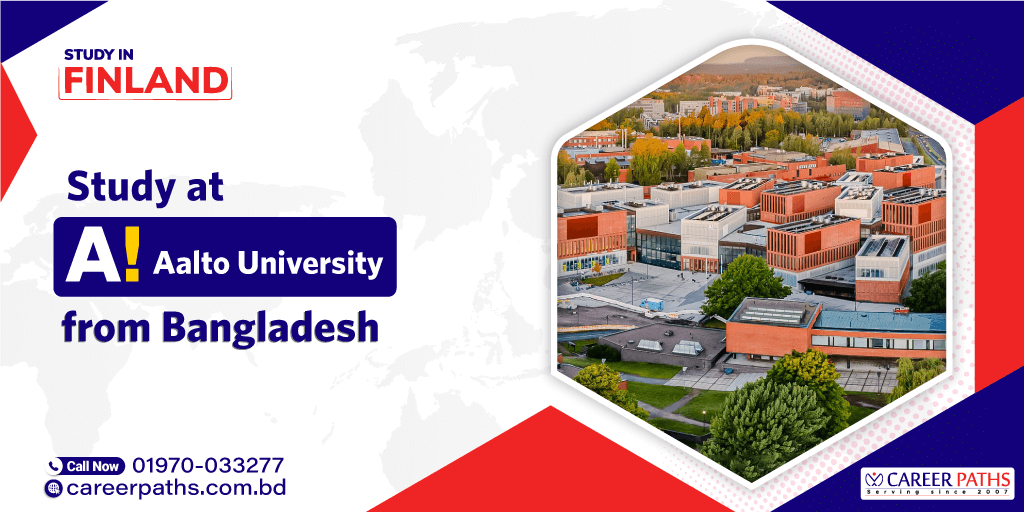
- Aalto University: Renowned for engineering, business, and art & design. Located in Espoo, it boasts strong incubators like Startup Sauna and close ties with tech hubs.
- University of Helsinki: The oldest and largest institution in Finland, ranked consistently among the top 100 global universities, excelling in multidisciplinary research, biosciences, and humanities.
- Tampere University: Formed by the merger of Tampere University of Technology and the University of Tampere, making it a powerhouse for technology, medicine, and social sciences.
- Lappeenranta-Lahti University of Technology (LUT): A leader in clean energy, sustainable business, software engineering, and circular economy studies.
- Metropolia University of Applied Sciences: The largest UAS in Finland, based in the capital region, offering practical education in business, technology, and health sciences with direct access to Helsinki’s corporate landscape.
2. World-Class Education System
Equality, self-study and critical analysis are the fundamental principles underlying Finnish Higher Education.
Traditional Research Universities: The Finnish system is based on two clear-cut, quality-oriented tracks, namely Traditional Research Universities, which are the centres for theory, scientific research, academic post-graduate degrees, i.e., Master’s and Doctoral degree studies.
Universities of Applied Sciences (UAS), where vocational training and practical relevance are of paramount importance, accompanied by obligatory industry internships and ready employability after graduation.
Classroom atmosphere is relaxed and egalitarian. One address professors by their first names; hierarchy is de-emphasised, and continuous assessment, case-based studies, group problem-solving and independent assignments are a much preferred teaching method over lectures and high-stakes final exams.
3. Strong Focus on Innovation and Technology
The Finnish tech and innovation economy is number one in the world. As a homeland to tech major businesses (Nokia and Supercell) as well as open source milestones (such as Linux and the SSH protocol) since the early days, the country is investing approximately three percent of its GDP in R&D, the research and development sector.
International students gain exposure to active research centres in:
- Artificial Intelligence and Machine Learning
- 6G Mobile Communications
- Clean Technology, Circular Economy, and Renewable Energy
- Game Development and Digital Media
- Biotechnology and Health Innovation
The universities will work together with the VTT Technical Research Centre of Finland, and private companies. As an example, it will enable undergraduates to collaborate in real business research and development work.
4. One of the Safest Countries in the World
For Bangladeshi students travelling abroad for the first time, safety, stability, and peaceful living are major considerations. Finland consistently ranks at the top of the Global Peace Index and is rated among the safest countries worldwide by the World Economic Forum.
- Low Crime Rates: Violent crime is exceptionally rare, and lost items are routinely returned via effective lost-and-found networks.
- Functional Infrastructure: Street lighting, clean tap water (pure enough to drink directly), well-maintained roads, and reliable public transit run efficiently year-round, even in harsh winter conditions.
- ocial Trust: Finnish society is built on strong social trust, gender equality, and personal security, ensuring a safe environment for foreign students and women.
5. Gateway to the Nordic Region and Europe
A Finnish residence permit for studies opens doors across the European continent.
- Schengen Zone Access: As a Schengen country, a Finnish student residence permit permits visa-free travel across 29 European member states for up to 90 days within any 180 days.
- Nordic Mobility: Finland’s geographic positioning offers inexpensive, rapid transit links to neighbouring Nordic and Baltic economies, including Sweden, Norway, Denmark, and Estonia (a short 2-hour ferry ride from Helsinki to Tallinn).
- Global Networking: Cross-border academic collaborations and Erasmus+ exchange programs allow students enrolled in Finland to complete a semester or internship in another European nation without extra tuition costs.
6. Part-time Work and Post-Study Work Opportunities
Finland balances rigorous academic demands with generous working policies for non-EU/EEA international students.
- Part-time Work During Terms: Non-EU/EEA students holding a study residence permit can work up to 30 hours per week on average across the academic term. During scheduled holiday periods (summer and Christmas breaks), students are permitted to work full-time hours without restrictions.
- Earn While You Learn: Entry-level student jobs (such as logistics, food delivery, cleaning, customer service, or university student assistantships) typically pay between €10 to €15 per hour (BDT approx. 1,420 to 2,130 BDT per hour), helping cover monthly living expenses.
- Post-Study Work Visa: Upon graduation from a Bachelor’s or Master’s program, foreign graduates are eligible for a 2-year post-study residence permit. This permit allows you to seek employment, start a business, or freelance anywhere in Finland. Once you secure a full-time job matching your qualifications, you can transition to a work-based residence permit, setting a clear trajectory toward permanent residency (PR) after 4 years of continuous residence.
7. Scholarships and Tuition Fee Discounts
While higher education is tuition-free for EU/EEA citizens, Non-EU/EEA students paying tuition fees can lower their financial outlay through university scholarships and incentives.
Tuition Waivers: Most universities offer fee reductions ranging from 20% to 100% based on your academic record (CGPA, entrance exam scores, or SAT results). Second-year waivers are often tied to completing a minimum of 55–60 ECTS credits during your first year.
- Finland Scholarships: Funded by the Ministry of Education and Culture, these are awarded to top-tier Master’s applicants. They cover 100% of the tuition fee for the first year plus a €5,000 relocation grant (BDT approx. 7,10,000 BDT / 7.1 Lakh BDT) paid directly to the student’s Finnish bank account.
- Early Bird Discounts: A large number of universities offer a 10% to 20% discount on the first-year tuition fee if the student accepts the study offer and pays the remaining tuition fee within a specified timeframe (usually 14 to 30 days of receiving the offer).
- Finnish Language Incentives: Several institutions offer cash bonuses or tuition refunds ranging from €1,000 to €3,000 (BDT approx. 1,42,000 to 4,26,000 BDT) for students who pass basic or intermediate Finnish language proficiency tests (YKI test) during their degree.
8. Practical Learning and Industry Collaboration
The Finnish academic structure is designed to bridge academia and employment.
- Mandatory Internships: Degree programs at Universities of Applied Sciences require structured work placements (usually 30 ECTS credits, equivalent to 4–6 months). These placements provide practical experience within Finnish companies or research institutes.
- Thesis Projects for Industry: Rather than writing purely theoretical dissertations, Master’s and Bachelor’s students are encouraged to author their final thesis (Opinnäytetyö) for a corporate client or research group. Companies frequently fund thesis projects, providing students with stipends and direct employment opportunities before graduation.
- Incubators and Entrepreneurship: Higher education institutions house innovation hubs – such as Helsinki Incubators, Tampere ES, and Startup Sauna – providing free mentorship, seed grants, and workspace for students launching startup enterprises.
9. Multicultural and International Learning Environment
Finnish campuses host thousands of international students, researchers, and faculty members from over 100 countries
- Student Unions: Every university has an active, official student union that advocates for student rights, arranges affordable sports activities (e.g., UniSport), and organises social events like traditional Sitsit academic dinner parties and orientation weeks.
- Tutor System: New international students are paired with a senior Finnish or international peer tutor (Tuutori) who assists with airport pick-up, housing registration, opening bank accounts, navigating campus systems, and adjusting to local culture.
- English Proficiency in Daily Life: While learning basic Finnish helps with long-term integration and job placement, over 90% of Finns speak fluent English. Everyday interactions – shopping, public transit, municipal services, banking, and social activities – are easy for English speakers to navigate.
10. High Quality of Life and Student Wellbeing
Finland’s well-funded welfare system extends substantial benefits to international degree students.
- Affordable Student Housing: Non-profit regional student housing foundations – such as HOAS (Helsinki), TOAS (Tampere), TYS (Turku), and PSOAS (Oulu) – provide furnished or unfurnished single rooms, studio apartments, or shared flats. Rent includes electricity, heating, water, high-speed internet, and free laundry/sauna facilities, generally ranging from €300 to €600 per month (BDT approx. 42,600 to 85,200 BDT per month).
- Subsidised Campus Meals: Through the Kela student card, degree students can buy hot, balanced lunches at university cafeterias across Finland for roughly €2.95 to €3.50 (BDT approx. 420 to 500 BDT).
- Healthcare Coverage: International degree students holding a valid residence permit register with the Finnish Student Health Service (FSHS / YTHS), paying a small mandatory healthcare fee (around €36 per semester, which is BDT approx. BDT 5,100 per semester) for access to general health, mental health, and dental services.
- Public Transit Discounts: Students enjoy a 40% to 50% discount on local buses, trams, metro systems, and long-distance trains (VR railways).
Admission Requirements & Application Process
Academic Qualifications for Bangladeshi Students For Bachelor’s Degrees
- Academic Credentials: Completion of Higher Secondary Certificate (HSC) with good grades, or UK A-Levels / International Baccalaureate (IB).
- Entrance Assessments: Admission to Bachelor’s programs at UAS universities typically relies on the International UAS Exam (a standardised online entrance test covering reasoning, mathematics, and English) or submission of official SAT scores.
- Credit Standard: Higher education degrees in Finland operate under the European Credit Transfer and Accumulation System (ECTS). A Bachelor’s degree equals 180–240 ECTS (3.5 to 4 years of study).
Academic Qualifications for Bangladeshi Students For Master’s Degrees - Academic Credentials: A recognised 4-year Bachelor’s degree (Honours) from a UGC-recognized university in Bangladesh, relevant to the intended Master’s program. CGPA requirements generally range from 3.00 out of 4.00 or higher depending on applicant volume.
- Work Experience Requirement for UAS: To apply for a Master’s degree at a University of Applied Sciences (UAS), applicants must have at least 2 years (24 months) of relevant work experience accumulated after the completion of their Bachelor’s degree. Traditional research universities do not require work experience for Master’s admissions.
- Language Requirements: Since degree instruction is entirely in English, applicants must present official language test scores. Native English medium of instruction (MOI) certificates from Bangladeshi universities are generally not accepted.
- IELTS Academic: Minimum overall score of 6.0 to 6.5 (with individual sub-scores not lower than 5.5 or 6.0 depending on the program).
- TOEFL iBT: Minimum score of 80 to 92.
- PTE Academic: Minimum score of 54 to 62.
- C1 Advanced / C2 Proficiency: Accepted with passing grades (Grade C or higher).
How to Apply
Applications to Finnish higher education institutions are processed online through the official government portal:
- Joint Application: Held annually in mid-January for study programs starting in the Autumn semester (September). Through this system, you can apply to up to 6 degree programs across different universities using one single application form, ranking them in order of preference.
- Direct Applications: Separate application windows offered directly by individual universities. These can occur between November and March for Autumn intakes, or in September for smaller January intakes.
- Document Verification: Applicants must upload certified English translations of transcripts, certificates, passports, language score reports, motivation letters, and CVs (Europass format) to the application portal before specified deadlines.
Visa & Residence Permit Guidelines for Bangladeshi Students
Once you receive an official offer of admission and pay any necessary initial tuition fees, you must apply for a First Residence Permit for Studies (Opiskelijan Ensimmäinen Oleskelulupa).
Application Steps:
- Submit your digital application online via the Finnish Immigration Service portal (Enter Finland).
- Pay the processing fee electronically (approximately €350 for online applications which is BDT approx. 49,700 BDT).
- Book and attend an identity verification and biometrics appointment.
Essential Documents Required
- Official Acceptance Letter: Unconditional acceptance letter from a recognised Finnish university or UAS.
- Proof of Financial Solvency: You must demonstrate sufficient personal funds to cover living expenses for at least one year. The minimum required amount is €9,600 per year or approx. 13,63,200 BDT / 13.63 Lakh BDT per year, deposited in a personal bank account under the applicant’s sole name. Bank guarantees, sponsor commitments, or shared accounts are not accepted by Migri.
- Tuition Fee Receipt / Scholarship Letter: Proof that tuition fees for the first academic year have been paid in full, or an official scholarship decision covering the costs.
Comprehensive Student Health Insurance: Private health insurance coverage from approved providers (e.g., Swisscare, SIP Insurance) covering medical treatment up to €120,000 or BDT approx. 1.7 Crore BDT / 17,040,000 BDT (for degree programs under 2 years) or €40,000 or BDT approx. 56.8 Lakh BDT / 5,680,000 BDT (for degree programs lasting 2 years or more). - Valid Passport & Certificates: Valid passport (valid for at least 1 year beyond arrival) along with legalised educational certificates and transcripts.
Biometrics Location for Bangladeshi Applicants
There is currently no operational Embassy of Finland issuing residence permits in Dhaka, Bangladesh. Consequently, Bangladeshi applicants must travel to complete their identity verification and biometric collection (fingerprints and photo) at:
» The Embassy of Finland in New Delhi, India, or an authorised VFS Global Finland Application Centre in New Delhi, India.
Plan ahead for Indian visa processing times to ensure your biometrics appointment is completed before your program start date.
Final Thoughts
Studying in Finland offers Bangladeshi students far more than a degree – it provides entry into one of Europe’s most technologically advanced, equitable, and liveable societies. By combining world-class academic standards with robust post-graduation work opportunities, high personal safety, and substantial student welfare, Finland stands out as an exceptional destination for your international education journey in 2027 and with a suitable study abroad expert, your Finnish educational journey evolves as easy, manageable, and most importantly successful.
So, to start a study abroad journey with a trusted firm in Bangladesh, students are requested to visit the Career Paths office or book a one-to-one counselling session.