
If you are a student in Bangladesh thinking about studying abroad, Europe is one of the most well-rounded destinations you can consider. It is home to some of the oldest and most respected universities in the world, offers programs taught entirely in English, keeps tuition fees lower than many other regions, and gives graduates real pathways to work after completing their degree.
More Bangladeshi students are choosing Europe each year, not just for the quality of education but also for the life experience, the cultural exposure, and the career opportunities that come with it. Countries such as Sweden, Finland, Cyprus, France, and the Netherlands have all become popular choices, each offering something different depending on what you are looking for in your study abroad journey.
This guide covers everything you need to know about study in Europe from Bangladesh, from choosing a country and understanding visa requirements to finding scholarships and exploring what happens after you graduate.
Why Study in Europe from Bangladesh?
European universities have long-standing reputations for academic excellence, with many consistently ranked among the top globally. They produce graduates who excel in business, science, policy, and the arts. The academic environment emphasizes critical thinking, research, and independent learning, helping students build skills that are widely recognized and valued by employers worldwide.
Compared to destinations like the United States, United Kingdom, Canada, and Australia, Europe generally offers more affordable tuition fees. Public universities in countries such as France and Germany are heavily subsidized, and even non-EU tuition fees are often lower than equivalent programs in English-speaking countries. For example, Cyprus offers programs starting from around EUR 3,600 per year, while France charges about EUR 2,895 per year for non-EU students at public universities at the bachelor’s level. Living costs also vary by country, with smaller university towns usually being more affordable than capital cities.
A key advantage of studying in Europe is the wide availability of English-taught programs. Students do not need to learn Swedish to study in Sweden or Dutch to study in the Netherlands. Many universities offer a large number of master’s programs and an increasing number of bachelor’s programs in English, making Europe highly accessible for Bangladeshi students who are proficient in English but not yet fluent in a European language.
Europe is also highly diverse culturally, and studying there allows students to learn alongside peers from many different countries, helping them build an international network. Travel within Europe is convenient, and once students hold a valid residence permit in a Schengen Area country, they can generally move freely across the 27 Schengen member states, making it easy to explore different countries during holidays or weekends.
In addition, Europe is a global leader in research and innovation across fields such as biomedical sciences, engineering, sustainability, and social sciences. Universities are closely connected to research ecosystems, giving students opportunities to participate in advanced projects, internships, and industry collaborations. Countries such as Sweden, Finland, and the Netherlands are particularly known for innovation-driven economies, offering strong employment prospects for graduates in technical and scientific fields.
Top Reasons to Choose Europe Over Other Destinations
Study in Europe provides high-quality education with internationally recognised degrees. It is a cost-effective option that also offers strong career and long-term settlement opportunities for Bangladeshi students.
- European degrees are widely recognised in Bangladesh and globally.
- Degree structures are standardised under the Bologna Process.
- Tuition fees are generally lower than in the US, UK, Canada, and Australia.
- Scholarships for Bangladeshi students are available in many universities.
- Living standards, safety, and student support are generally strong.
- Many programs are offered in English.
- Post-study work options exist in most countries.
- Several countries offer clear paths from study to work and residence.
- Universities have strong links with industry for internships and jobs.
- Students gain exposure to diverse, international environments.
Popular European Study Destinations
Sweden has established itself as one of Europe’s leading destinations for innovation, sustainability, and research-driven education.
The Swedish education system focuses on collaboration, creativity, and problem-solving rather than traditional lecture-based teaching. Students are encouraged to participate actively in discussions, group projects, and independent research.
According to the official national study portal, Sweden offers more than 1,000 degree programmes taught in English. The country also has a 96% graduate employment rate, reflecting the strong connection between Swedish higher education and the job market. Sweden’s strategic location within Europe also creates strong business and professional networking opportunities for graduates.
International graduates can apply for a residence permit to remain in Sweden for up to 12 months after completing their studies to seek employment or explore business opportunities.
PhD studies are tuition-free for all students regardless of nationality, and doctoral candidates receive a salary. Sweden is also strategically positioned for access to European business networks, which adds further professional value for graduates.
Popular Universities in Sweden
- Lund University
- KTH Royal Institute of Technology
- Uppsala University
- Stockholm University
- University of Gothenburg
- Chalmers University of Technology
- Halmstad University
Finland is widely recognised for its student-centred education system and strong commitment to innovation and technology. Universities in Finland focus on practical learning, interdisciplinary research, and close cooperation with industry. The country consistently invests in digital transformation, sustainability, and research initiatives, creating an attractive environment for international students.
Finland offers a growing number of English-taught degree programmes across fields such as engineering, information technology, business, education, and health sciences.
International graduates can apply for a residence permit to search for work or establish a business for up to 2 years after graduation, one of the most generous post-study stay periods in Europe.
Popular Universities in Finland
- Aalto University
- LUT University
- University of Helsinki
- University of Oulu
- University of Turku
- Tampere University
- LAB University of Applied Sciences
Cyprus has become an increasingly popular destination for Bangladeshi students seeking affordable education within the European higher education framework.
The country offers comparatively lower tuition fees and living costs than many other European destinations. English is widely used as the language of instruction, making the transition easier for international students.
Cyprus combines a multicultural environment with a Mediterranean lifestyle, providing students with a welcoming and internationally focused learning experience. Popular fields of study include business, hospitality management, information technology, engineering, and health sciences.
After graduation, international students can apply for a post-study work permit for up to 12 months to find employment or start a business. Those who secure work can then transition to an employer-sponsored permit, and after five years of continuous legal residence, graduates may be eligible for permanent residency.
Popular Universities in Cyprus
- University of Cyprus
- University of Nicosia
- European University Cyprus
- Cyprus University of Technology
- Frederick University
- Neapolis University Pafos
France is one of Europe’s most respected destinations for higher education, particularly in business, engineering, arts, fashion, hospitality, and scientific research.
The country has significantly expanded its portfolio of English-taught programmes, especially at the master’s level. Public universities in France maintain relatively affordable tuition fees compared with many English-speaking destinations. International students also benefit from France’s strong research infrastructure and extensive industry partnerships.
After completing a master’s degree in France, non-EU graduates can apply for a temporary residence permit (APS / RECE – job search or business creation), allowing them to stay up to 12 months to look for work or start a business. If they secure a qualifying job, they can then apply for a Talent Passport for longer-term residence and work in France.
Popular Universities in France
- Université PSL
- Institut Polytechnique de Paris
- Université Paris-Saclay
- Sorbonne University
Study in Netherlands
The Netherlands is one of the most international study destinations in Europe and offers one of the largest selections of English-taught programmes on the continent.
Dutch universities are known for their interactive teaching methods, emphasis on independent learning, and strong links with industry.
The country’s central location in Europe, combined with its international business environment, makes it an attractive option for students interested in business, technology, engineering, social sciences, and logistics.
After graduation, international students can apply for the Orientation Year residence permit, which allows them to stay in the Netherlands for up to 12 months to look for employment or launch a business, during which they can work without restrictions.
Popular institutions include the University of Amsterdam and Wittenborg University of Applied Sciences.
Popular Courses to Study in Europe
European universities offer programmes across almost every academic discipline. However, Bangladeshi students most commonly pursue degrees in computer science, artificial intelligence, data science, engineering, business administration, finance, public health, supply chain management, environmental science, architecture, international relations, hospitality management, and design.
The best course for you depends on your academic background, career goals, and the strengths of your chosen destination.
Scholarships for Bangladeshi Students in Europe
Financial support is available through government-funded initiatives, university scholarships, and international programmes. The Erasmus Mundus Joint Masters Scholarship remains one of the most competitive funding opportunities for international students wishing to study in multiple European countries.
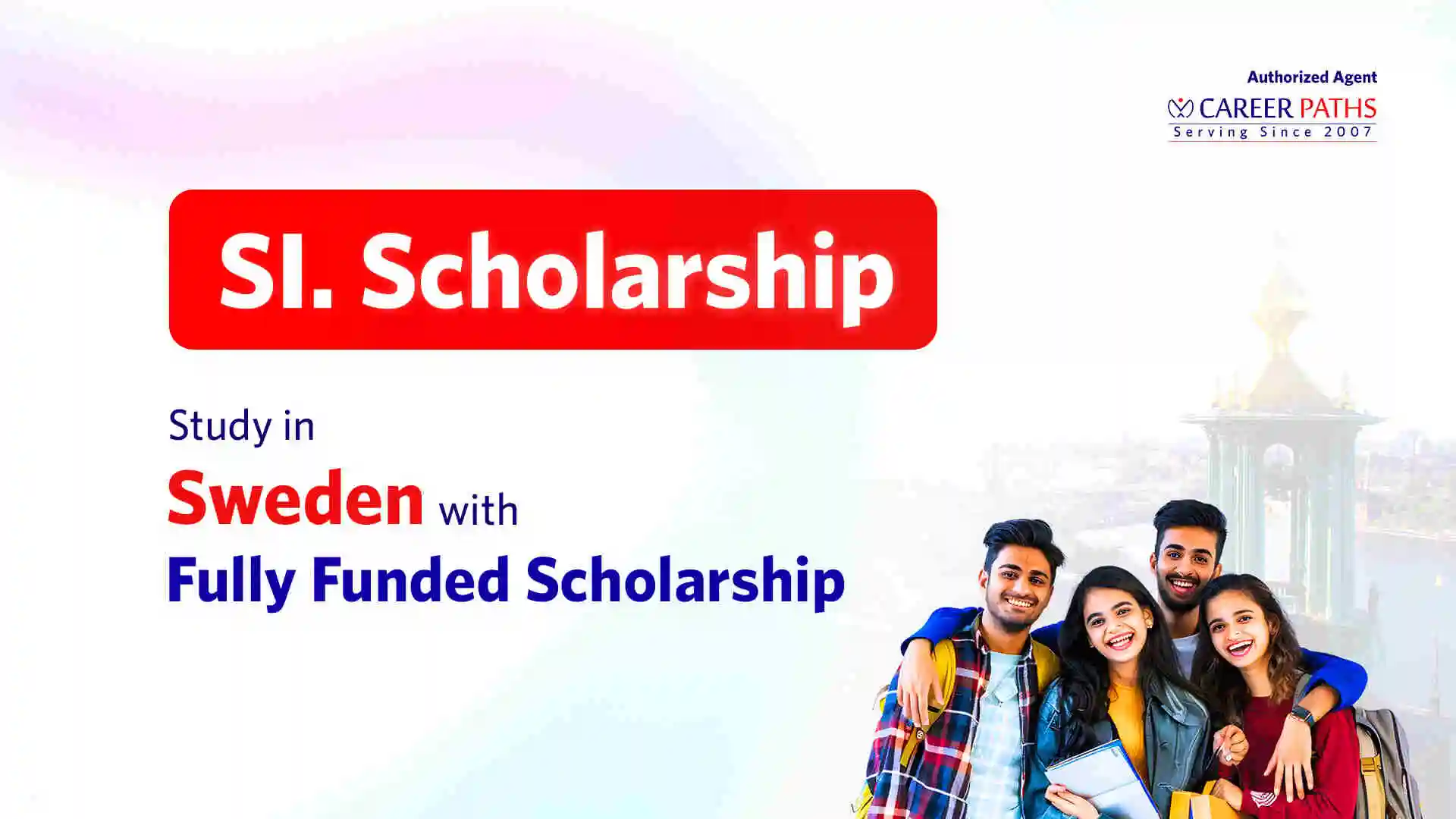
Students interested in Sweden may explore the Swedish Institute Scholarships for Global Professionals, while universities in Finland offer institution-specific scholarships and tuition fee waivers. France offers the France Excellence Eiffel Scholarship Programme, and the Netherlands provides the NL Scholarship (formerly Holland Scholarship) and Amsterdam Merit Scholarship through participating institutions.
Most universities also offer merit-based and need-based scholarships directly to international students. Because scholarship requirements vary significantly, students should review official university websites and national study portals before applying.
Student Visa Requirements for European Countries
As a Bangladeshi national, you need a student visa or residence permit for any study period exceeding 90 days in Europe. While each country runs its own process, the general requirements across most destinations are similar.
- A valid passport
- An official university admission letter
- Proof of tuition fee payment, where applicable
- Evidence of sufficient financial resources
- Academic transcripts and certificates
- Proof of accommodation
- Language proficiency evidence, where required
- A completed visa application form
- Biometric data and visa fee payment receipt
Visa processing times vary depending on the destination country, application volume, and time of year. To avoid delays, students should begin the visa application process immediately after receiving their admission offer and always check the latest requirements published by the relevant embassy, consulate, or immigration authority.
Post-Study Work Opportunities in Europe
Country | PSW Visa Duration | Key Benefits |
Sweden | Up to 12 months | Search for employment or start a business after graduation; convert to work permit once employed |
Finland | Up to 2 years | Extended period for job searching and entrepreneurship; one of the most generous stay-back periods in Europe |
Cyprus | Up to 12 months | Transition to employer-sponsored work permit after securing employment; EU residency pathway after 5 years of continuous legal residence |
France | Up to 12 months (APS/RECE permit for master’s-level graduates) | Bridge to long-term employment; graduates who secure qualifying work can apply for the Talent Passport for continued residence |
Netherlands | Up to 12 months (Orientation Year Visa) | Work without restrictions during the period; apply for Highly Skilled Migrant permit once employment is secured |
Post-study work policies are subject to change. Always confirm current requirements directly with the official immigration authority of the relevant country.
Final Thoughts
Study in Europe from Bangladesh gives you access to globally recognised qualifications, high-quality education, diverse cultures, and a wide range of English-taught programmes. Countries such as Sweden, Finland, Cyprus, France, and the Netherlands offer unique advantages, allowing students to choose a destination that aligns with their academic interests and career goals.
Before applying, compare factors such as tuition fees, living expenses, scholarship opportunities, visa requirements, and post-study work options. If you need personalized guidance on choosing the right country, university, or application pathway, expert support from Career Paths Bangladesh can help simplify the process and ensure you make informed decisions at every stage of your study abroad journey.
Ready to take the next step? Connect with the experienced counsellors at Career Paths for personalized guidance on university selection, applications, scholarships, visa preparation, and your journey to study in Europe from Bangladesh.